

Conversion Rate Optimization (CRO) is about getting more website visitors to take meaningful actions, such as making an online purchase, downloading a resource, or filling out a form.
Like UX, CRO aims to enhance the effectiveness of a website, landing page, form, content, and calls to action but does so through experimentation, iteration, and quantitative analysis.
When aligned with your business objectives, CRO can be a powerful tool. It can transform site visitors into valuable customers or leads, thereby contributing to your success.
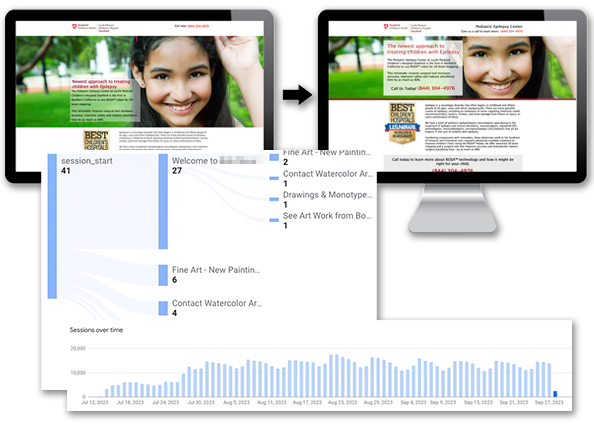
- Identifying Opportunities: Based on data analysis, areas with the highest potential for improvement are identified.
- Conversion Funnel Audit: Analyze each step of the conversion funnel to identify where users are dropping off.
- Iterative Process: There is no one-time fix for CRO—ongoing experimentation and testing insights to fuel the subsequent iterations.
- Continuous Monitoring: Keeping a vigilant eye on how changes impact conversion rates and other vital metrics.
- Quantitative Data: Collect data from web analytics tools (e.g., Google Analytics) to understand user behavior, traffic sources, and conversion rates. Google Analytics installation services are available.
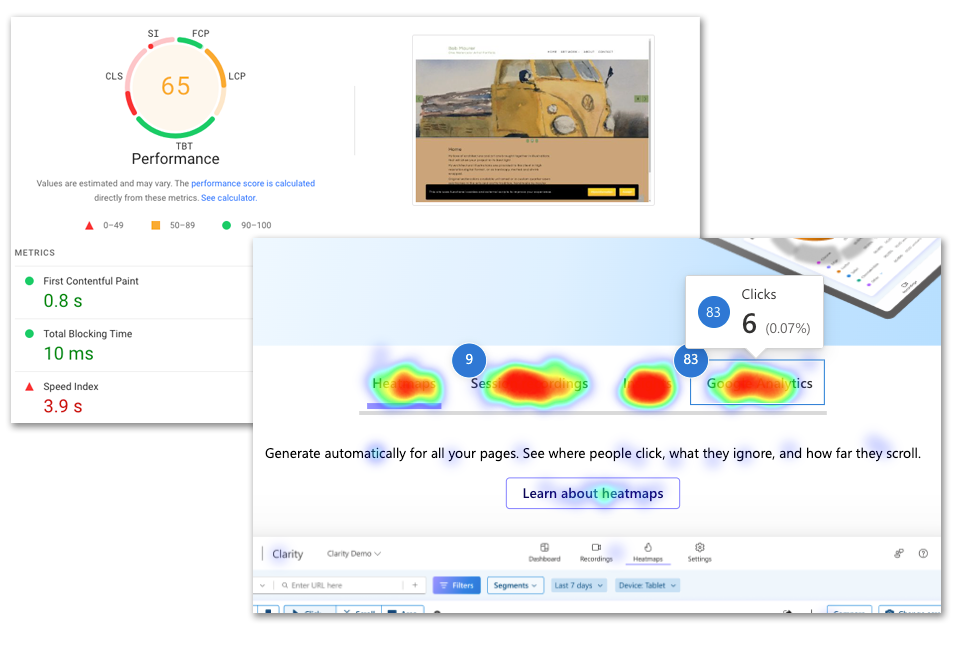
- Page Load Speed: Improving website performance to reduce load times can positively impact user experience and conversion rates.
- Heatmaps and Click Maps: Visualizing where users click, scroll, and spend the most time on a page to identify popular and ignored elements.
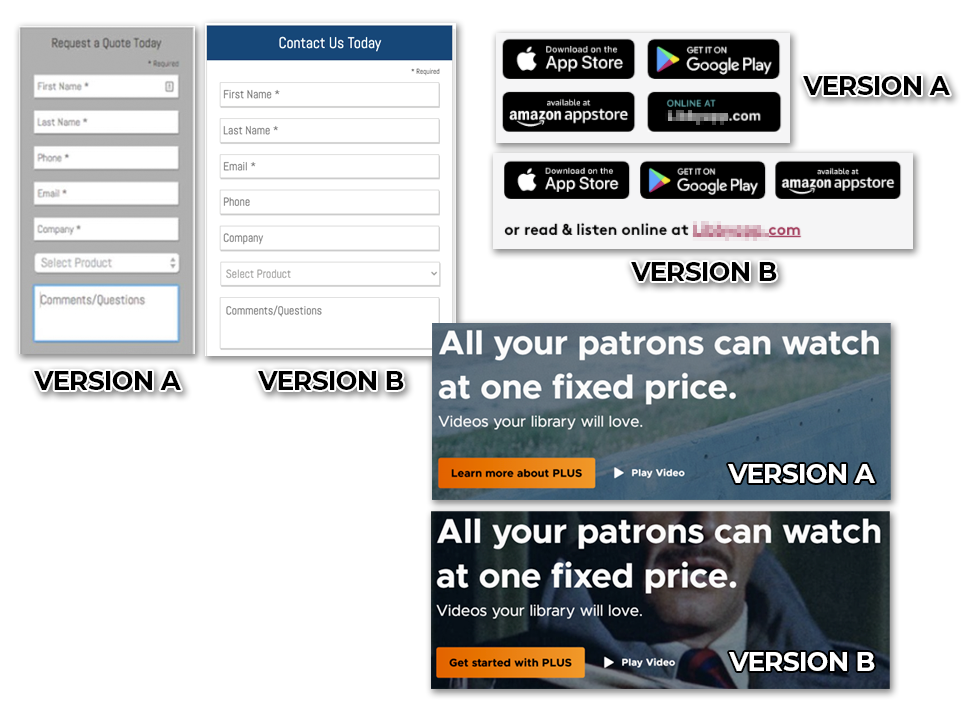
- A/B Testing: This method involves testing one element on a page against another version to measure improvement.
- Split URL Testing: Testing different versions of a page hosted on separate URLs to see which performs better.
- Personalization: Delivering personalized content and offers based on user segments, behavior, location, and demographics.
Ready to grow?
Let’s talk about where your marketing is now and where you want it to go.